Driving in the Ozarks is about to change. The change will be slow but inevitable. A federal mandate is requiring all new passenger cars (2027 and future) to include an advanced passive impaired-driving prevention technology. We have been moving towards AI biometric scanning in cars since the 2021 Infrastructure Law, but not all the bugs have been worked out.
How It Works: Cars will be equipped with AI and passive sensors to continuously monitor driver behavior for signs of intoxication or severe fatigue. The system is designed to operate automatically without the driver having to “take a test”.
The system will use AI powered infrared cabin cameras to track eye movement, pupil dilation and drowsiness. Steering wheel sensors will passively read blood-alcohol levels thru the skin while cabin air monitors will continuously sample the air for alcohol molecules. The cars computer will monitor driving patterns in real-time watching for erratic behavior.
What Happens Next: If the system detects that a driver is impaired or highly fatigued, it will take steps ranging from an audible warning to physical vehicle control such as, refusing to start the car, putting the vehicle into LIMP MODE and advanced systems are being designed to eventually guide the car safely to the road shoulder and shutting off.
What Remains Unclear: This system is currently bogged down by regulatory and developmental hurdles. According to the National Highway Traffic Safety Administration reports, the passive detection systems still face unacceptable error rates. Automakers have a grace period for full compliance. This anti-drunk and impairment detection technology will eventually become standard equipment in all new passenger vehicles, both foreign and domestic sold in the United States, beginning in 2027.
The Bottom Line: While we all agree that operating a vehicle while drunk or “buzzed” should never be tolerated, this anti-drunk vehicle technology has high false-positive rates, poses severe emergency safety risks, is invasive biometric surveillance, and vulnerable to being bypassed. With nearly one billion daily trips in the U.S. even at a 99.9% accuracy rate, it would result in a million false positives a day leaving sober drivers stranded.
Drunk driving impacts everyone. The Missouri State Highway Patrol makes over 7,700 annual arrests for alcohol/drug-related violations. Now we’re having to rely on AI technology to slow this rate.
Wouldn’t it be easier to just: Don’t Drink and Drive ?
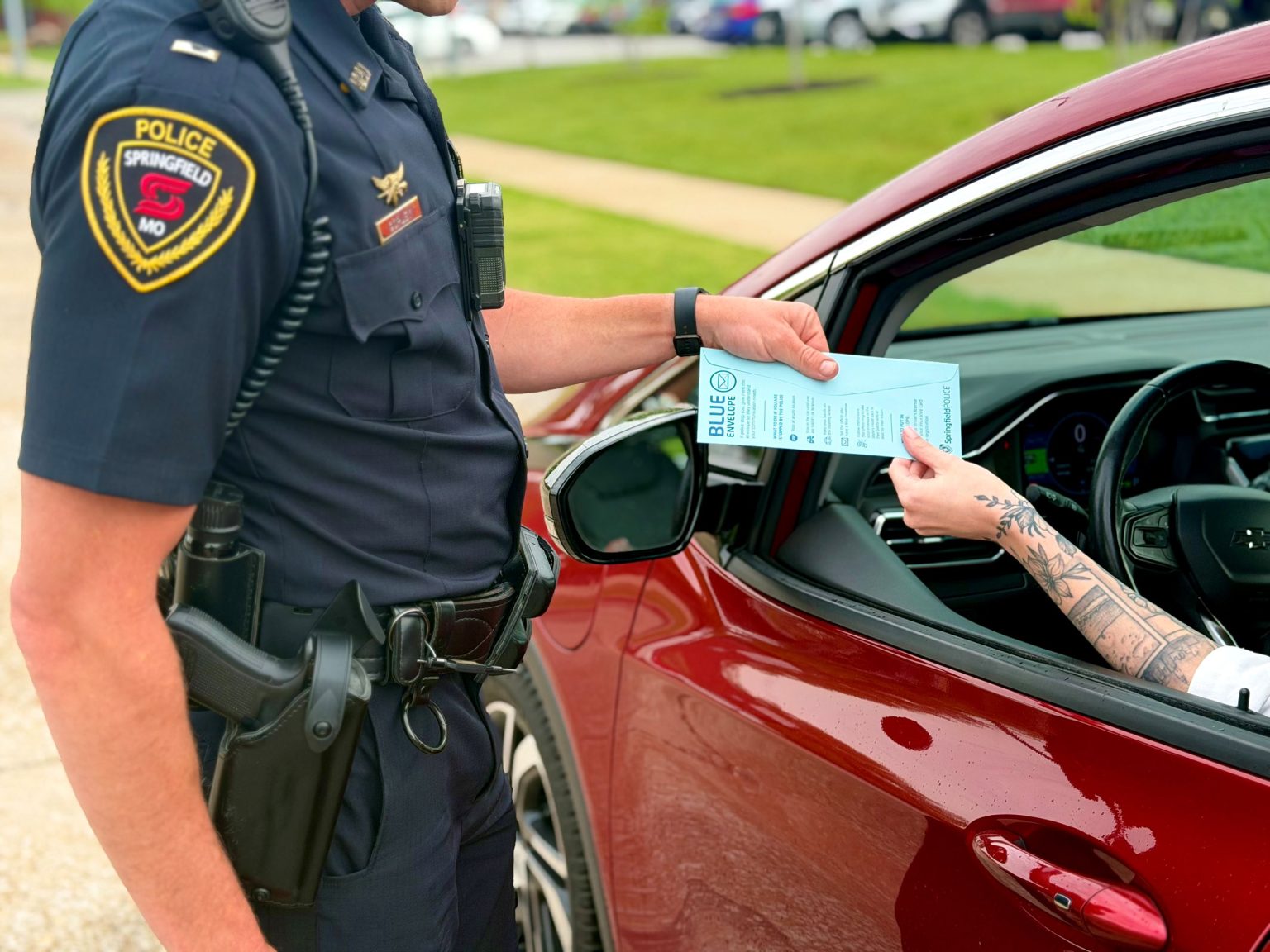
(Photo courtesy of Springfield Police Dept.)