
What We Know: Across the country a surge of new data centers is reshaping local energy grids, water systems and land use. This rapid expansion is often happening with limited public information. The rise of data centers is inevitable. How the surrounding community handles this is not.
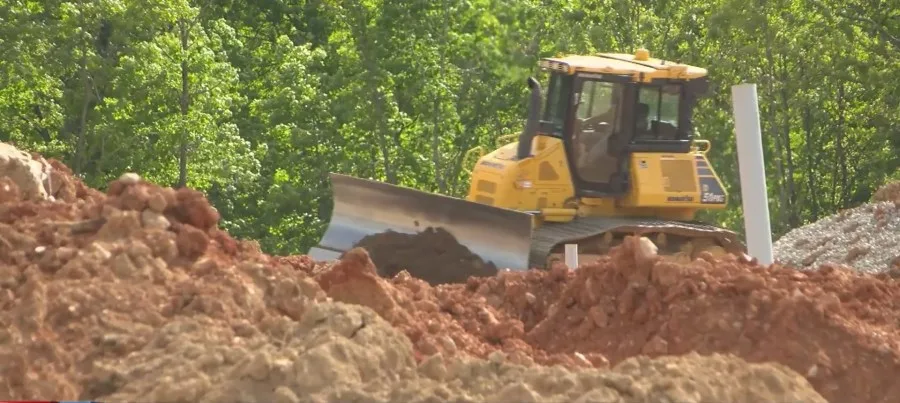
As of January of this year, there are 3900 data centers across the U.S. More than 64 billion dollars in projects have been delayed or cancelled due to organized opposition. Construction is currently under way in Webster County on a high performance computer facility just north of Marshfield. The facility originally was due to open this month (June 2026) but local push-back has stalled the project.
What Remains Unclear: There has been significant public outrage over the building of this project. The major points of contention being environmental impact and a lack of transparency. The building footprint is roughly 7000 to 14,000 square feet yet it sits on a five acre lot. That’s plenty of room for future expansion. We are told only plans for the original center now being built and how little water it will use and that it is adjacent to a Webster County sub-station for it’s electrical power. Of course all that would change if the facility expanded. In general, data centers are known to consume extreme amounts of local resources while offering very few community benefits.
What’s Next ? : Unfortunately the only thing certain is change, but, not so fast. The Webster County has retained legal counsel to explore options and review environmental impact studies while local residents have pushed for a 12 month building moratorium to halt the project until regulations are drafted. As it stands, Webster County has no “Planning and Zoning Commission” and local government has no direct authority to stop or regulate the project so long as state laws and health codes are followed. The neighbors are not at all happy.
The Answer: Without data centers, the modern digital world would simply grind to a halt. There is no government control without these facilities. A large portion of everyday life would change without them but I’m speaking in general. If all data centers shut down we would find ourselves living in the 1960’s. But there has got to be a better way to handle this continuing development, beginning with respect to people in the local community and full transparency of current and future progress as well as weighing the pros and cons of a data center in that community.
The citizens of Webster County are at the forefront of this decision.
(photo courtesy of Webster County Commission)